Delivery via email
Xbox Game Pass Essential - 1 month
€ 8,99



Your choice of country ensures that we can offer you the right products and payment methods. Make sure that this matches the country of the account (s) on which you want to redeem the product.
Assassin’s Creed is one of Ubisoft’s most successful and recognisable gaming franchises, combining historical settings, stealth gameplay, exploration, and action into a unique open-world experience. Since the release of the first game in 2007, the series has taken players across different periods in history, from the Crusades and the Italian Renaissance to Ancient Egypt, Viking England, and Feudal Japan.
At the centre of the franchise is the centuries-long conflict between the Assassins and the Templars. Through the use of the Animus, a machine that allows people to relive the memories of their ancestors, players experience major historical events while uncovering a larger science-fiction storyline connected to the mysterious First Civilization.
The series became famous for its parkour movement, social stealth mechanics, and historical accuracy. Exploring large cities, climbing famous landmarks, and blending into crowds quickly became defining elements of Assassin’s Creed. Over time, the franchise evolved beyond stealth-action gameplay, introducing RPG systems, massive open worlds, dialogue choices, and mythology-inspired adventures.
Assassin’s Creed remains influential because it constantly reinvents itself while maintaining its core identity. Each new entry introduces a fresh historical setting, new gameplay mechanics, and different protagonists, helping the series stay relevant for both longtime fans and newcomers.
Over the years, Assassin’s Creed has transformed from a stealth-focused action series into a broad franchise featuring RPG mechanics, large-scale exploration, naval combat, and mythology-inspired storytelling. While every game shares the same universe and core themes, different eras of the franchise offer very different gameplay experiences.
Classic Assassin’s Creed
The early Assassin’s Creed games focused heavily on stealth, parkour, and carefully planned assassinations. Titles such as Assassin’s Creed II, Brotherhood, and Syndicate featured dense historical cities filled with rooftops, crowds, and hidden pathways.
Gameplay revolved around stalking targets, gathering information, and eliminating enemies without attracting attention. Social stealth, where players could blend into crowds or hide in plain sight, became one of the franchise’s defining mechanics. These games also placed a strong emphasis on cinematic storytelling and memorable protagonists, especially Ezio Auditore, who became one of Ubisoft’s most iconic characters.
The RPG era
Starting with Assassin’s Creed Origins in 2017, the series shifted towards a much larger RPG structure. The worlds became significantly bigger, combat systems were redesigned, and levelling mechanics were introduced.
Origins, Odyssey, and Valhalla focused more on exploration, loot, skill trees, and player progression. Instead of compact urban environments, players explored entire countries filled with quests, secrets, and optional activities. Dialogue choices and different character builds added more freedom compared to earlier entries. This new direction attracted a broader audience and transformed Assassin’s Creed into one of Ubisoft’s biggest open-world RPG franchises.
While Assassin’s Creed originally focused on historical realism, the series gradually expanded its science-fiction and mythology elements. Ancient gods, mythical creatures, and supernatural realms became increasingly important in newer titles.
Games such as Odyssey and Valhalla explored Greek and Norse mythology, while continuing to connect these legends to the mysterious Isu civilisation, also known as the First Civilization. This blend of history, mythology, and science fiction gave the franchise a unique identity compared to other open-world games.
The future of Assassin’s Creed shows Ubisoft exploring multiple directions at once. Some upcoming games focus on returning to stealth-focused gameplay, while others continue expanding the large-scale RPG formula introduced in recent years. Ubisoft is also experimenting with different platforms, tones, and gameplay styles, suggesting that Assassin’s Creed will continue evolving for many years to come.
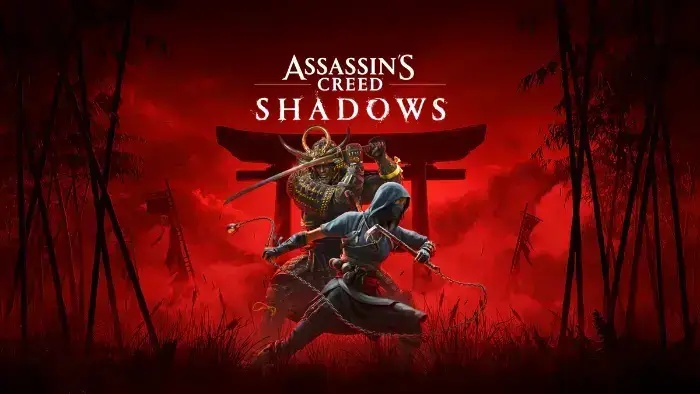
Assassin’s Creed Shadows
Assassin’s Creed Shadows is one of the most anticipated entries in the franchise, finally bringing the series to Feudal Japan, a setting fans have requested for years. The game features two protagonists with very different playstyles: Naoe, a shinobi assassin focused on stealth and agility, and Yasuke, a powerful samurai specialised in direct combat.
The game combines traditional stealth mechanics with the large-scale RPG systems introduced in recent entries. Players can explore an open world affected by dynamic weather and changing seasons, which also influence gameplay and stealth opportunities. Shadows aims to balance old and new Assassin’s Creed design philosophies by combining stealth-focused gameplay with modern RPG progression and exploration systems.
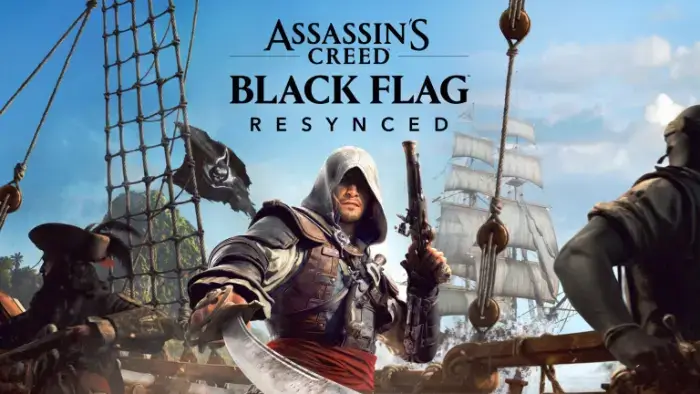
Assassin’s Creed Black Flag Resynced
Assassin’s Creed Black Flag Resynced brings the fan-favourite pirate adventure back for a new generation of players. A full remake of Assassin’s Creed IV: Black Flag, the project rebuilds Edward Kenway’s journey with modern technology while preserving the exploration, naval combat, and open-world freedom that made the original so popular.
The game features updated visuals, enhanced gameplay systems, and improvements to the Caribbean world, not to mention over 6 hours of all-new story content. The remake also takes advantage of current hardware to create a more immersive sailing and exploration experience.
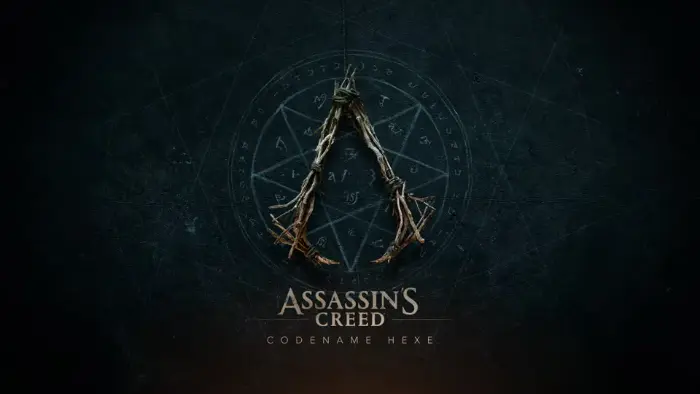
Assassin’s Creed Hexe
Assassin’s Creed Hexe appears to be one of the most experimental projects in the series so far. Unlike the large open-world structure of recent games, Hexe is expected to feature a darker and more mysterious atmosphere inspired by witchcraft and fear.
The game is believed to take place during the witch trials in 16th-century Europe, offering a very different tone compared to previous Assassin’s Creed titles. Ubisoft has described the project as something unique within the franchise, suggesting a stronger focus on psychological themes and suspense.
Although little official gameplay has been revealed, Hexe already stands out as one of the most intriguing future Assassin’s Creed projects.
This is a quick Assassin’s Creed timeline, so you can see all Assassin’s Creed games at a glance.
The beginning
Ezio trilogy
Colonial and naval era
Unity and Syndicate era
RPG transformation
Return to stealth
Latest and upcoming entries
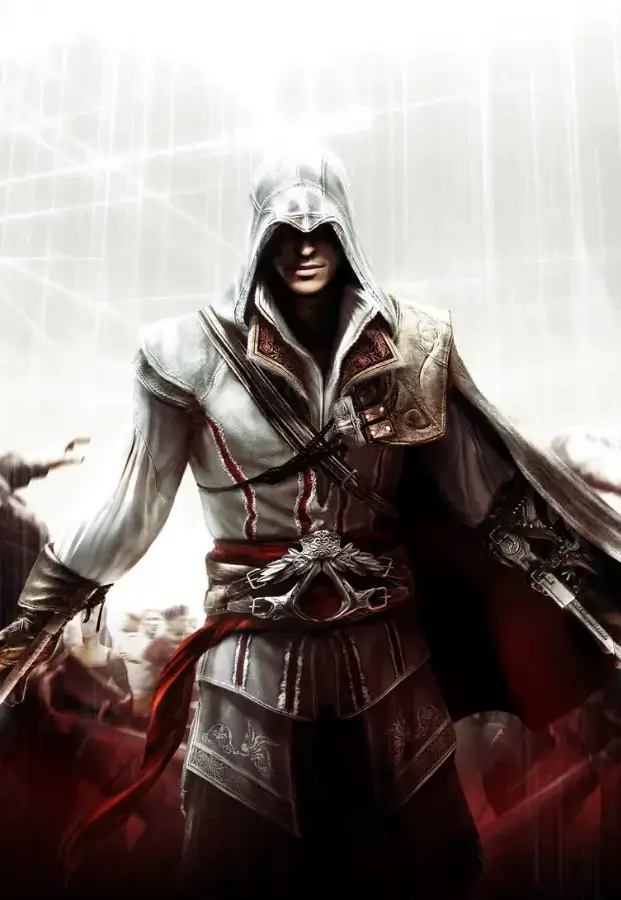
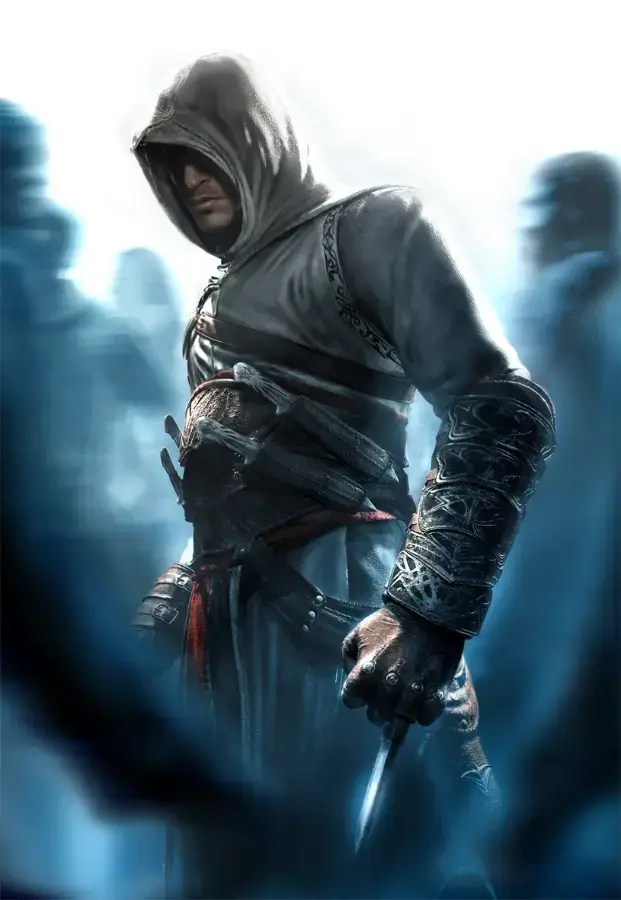
One of the biggest reasons behind Assassin’s Creed’s popularity is its use of historical settings. Every major entry transports players to a different period in history, allowing them to explore famous cities, meet historical figures, and experience important events from the past.
The first Assassin’s Creed took players to the Holy Land during the Third Crusade, while Assassin’s Creed II explored Renaissance Italy through cities such as Florence and Venice. Later games travelled to Constantinople during the Ottoman Empire, Colonial America during the American Revolution, and the Caribbean during the Golden Age of Piracy.
The series continued expanding with settings inspired by the French Revolution, Victorian London, Ancient Egypt, Ancient Greece, and Viking-era England. Each location introduced its own architecture, culture, and gameplay mechanics, helping every game feel distinct despite sharing the same universe. With Assassin’s Creed Shadows finally bringing the franchise to Feudal Japan, Ubisoft continues using history as one of the series’ strongest features.
Assassin’s Creed has changed significantly since its debut in 2007. The original games focused on stealth, counter-based combat, and compact city design, encouraging players to move carefully through crowded environments while planning assassinations.
As the series evolved, Ubisoft gradually expanded the scale of the games. Naval exploration became important during the Black Flag era, while later titles introduced much larger open worlds filled with side quests and RPG progression systems. Combat also became more action-oriented over time. Earlier games rewarded timing and stealth, while modern entries focus more on direct combat, loot rarity, skill trees, and character builds. Dialogue choices and branching quests added further RPG elements to the experience.
Despite these changes, the core identity of Assassin’s Creed remains the same: exploring history through the eyes of skilled assassins while uncovering a larger conspiracy hidden behind major historical events.
Whether you prefer the classic stealth gameplay of the older Assassin’s Creed titles or the large-scale RPG adventures of newer entries, the franchise continues to offer unique historical experiences for every type of player. If you want to explore the latest Assassin’s Creed games, you can find them at Gamecardsdirect, along with many other games. Gamecardsdirect is an official supplier of digital Xbox games and gift cards, offering multiple payment methods for fast and secure purchases.
Your choice of country ensures that we can offer you the right products and payment methods. Make sure that this matches the country of the account (s) on which you want to redeem the product.