
Delivery via email
Xbox Game Pass Essential - 1 month
€ 8,99



Your choice of country ensures that we can offer you the right products and payment methods. Make sure that this matches the country of the account (s) on which you want to redeem the product.
The Elder Scrolls Online (ESO) is Bethesda’s take on bringing the vast world of Tamriel into a shared, multiplayer experience. Instead of a purely single-player journey like Skyrim, ESO is a massively multiplayer online role-playing game (MMORPG), meaning thousands of players can explore, quest, and battle across the same world at the same time. You still create your own character and shape their skills and playstyle, but you’ll regularly cross paths with others - whether you’re teaming up for dungeons, tackling world bosses, or just passing by in a busy city. Compared to traditional Elder Scrolls titles, ESO trades the solitary, slow-paced immersion for something more social and dynamic, while still keeping the series’ signature freedom, lore-rich environments, and “go anywhere, do anything” philosophy intact.
At its core, The Elder Scrolls Online revolves around a classic Tamrielic crisis - only this time, it’s happening on a much larger, continent-spanning scale. The main storyline begins with your character being sacrificed by a mysterious cult and losing their soul to Molag Bal, the Daedric Prince of domination. From there, you’re pulled into a struggle to stop his plan to merge the mortal world with his own dark realm, Coldharbour. Alongside this central threat, the continent is also caught in the middle of the Three Banners War, a massive conflict between three alliances fighting for control of the Ruby Throne. What makes ESO’s narrative stand out is how these threads unfold across different regions and expansions, letting you experience multiple storylines that intertwine - sometimes epic and world-ending, sometimes more local and personal - all while still giving you the freedom to decide where to go and what to tackle next.
Yes! The Elder Scrolls Online can absolutely be played as a solo experience, and many players treat it that way. While it’s technically an MMORPG, a large portion of the game is designed to be accessible on your own. Most quests, including the main storyline and a huge number of side stories, can be completed without needing to group up. Exploration, crafting, and even a good chunk of combat content are all perfectly manageable solo. That said, ESO doesn’t fully become a “single-player game” in the same sense as Skyrim. You’ll still see other players running around, and certain activities - like group dungeons, trials (raids), and some world events - are built with cooperation in mind. The key difference is that participating in those is optional. If you prefer to wander through Tamriel at your own pace, focusing on quests and lore, ESO is surprisingly accommodating, offering a solo-friendly way to experience a very large slice of what the game has to offer.
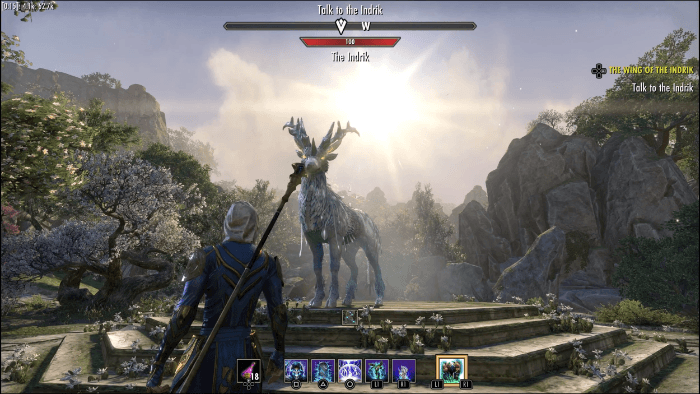
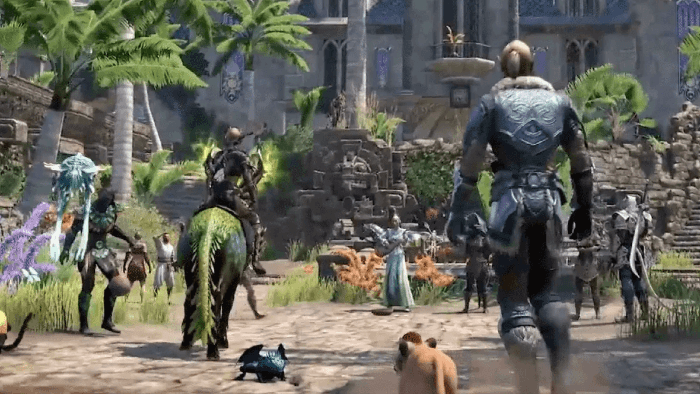
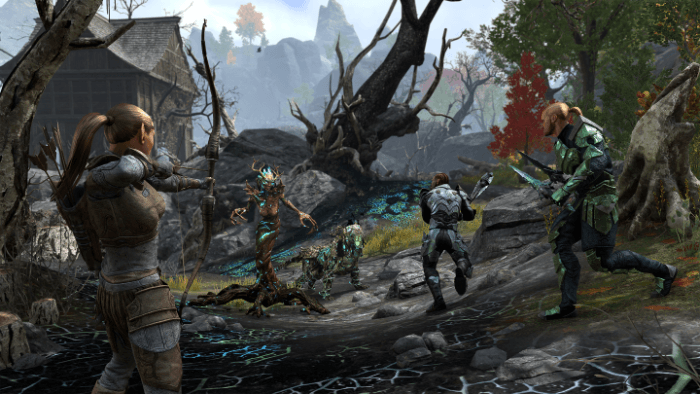
Since its release in 2014, The Elder Scrolls Online has steadily expanded with major chapters and story DLCs, each opening up new regions of Tamriel and adding fresh mechanics, systems, and storylines.
This chapter takes players back to the iconic island of Vvardenfell, long before the events of The Elder Scrolls III. It introduces the Warden class and centres on stopping a powerful threat beneath Red Mountain. Alongside the new zone, it adds large-scale PvP battlegrounds and a nostalgic return to one of the series’ most beloved settings.
Set in the homeland of the High Elves, this expansion opens the previously closed-off Summerset Isles. The story revolves around Daedric intrigue and political tension within Altmeri society. It also introduces the Psijic Order skill line and the jewellery crafting system, expanding character customisation.
In this chapter, players explore the homeland of the Khajiit, dealing with a dragon crisis that brings a very Skyrim-like flavour to ESO. It introduces the Necromancer class and a new type of world event focused on battling dragons across the desert landscapes of Northern Elsweyr.
Taking place in Western Skyrim, this expansion leans heavily into darker themes involving vampires and ancient Nordic lore. It adds the Antiquities system, allowing players to hunt for hidden relics and treasures across the world, adding a new layer of exploration gameplay.
Set along the border of Cyrodiil and Black Marsh, Blackwood continues a Daedric storyline involving Mehrunes Dagon. Its standout feature is the Companions system, which lets players recruit NPC allies to accompany them on adventures, making solo play even more flexible.
This chapter shifts focus to political intrigue among Breton nobility in the Systres Archipelago. It introduces the Tales of Tribute card game, offering a strategic side activity that’s completely different from traditional combat and questing.
Exploring parts of Morrowind not seen before, including the Telvanni Peninsula and Apocrypha, this expansion dives into the secrets of Hermaeus Mora. It introduces the Arcanist class, a spellcaster drawing power from forbidden knowledge, alongside new storylines tied to fate and hidden truths.
Set in West Weald, this chapter continues the storyline involving Ithelia, a previously unknown Daedric Prince. It expands the world with new environments and introduces the Scribing system, allowing players to customise and modify their abilities in more flexible ways than before.
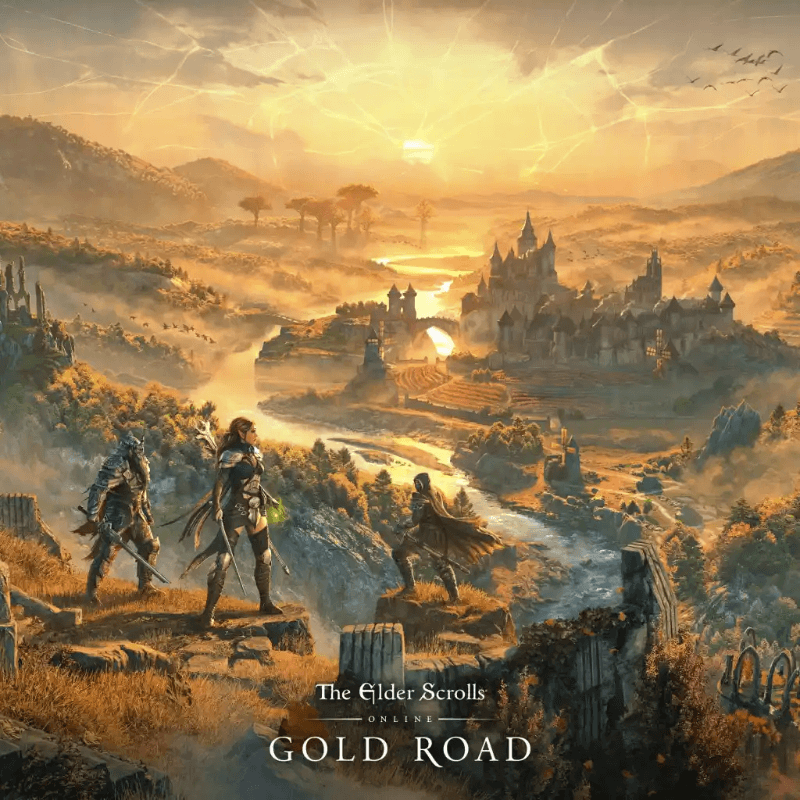
Together, these expansions show how ESO has grown into a constantly evolving version of Tamriel, with each chapter adding both new stories and meaningful gameplay systems.
Looking ahead, The Elder Scrolls Online is entering a bit of a new era - and it’s quite a shift compared to the expansion model players have been used to for years.
Rather than releasing one big annual “chapter” like Morrowind or Necrom, the developers are moving toward a seasonal structure, with smaller but more frequent content updates spread throughout the year. Each season typically lasts around three months and can include new zones, storylines, dungeons, events, and even gameplay systems or class updates.
One of the more interesting changes is that much of this new content is becoming part of the base game, meaning players won’t necessarily need to buy separate expansions to keep up. Instead, ESO is experimenting with a system similar to a battle pass (called Tamriel Tomes), which offers optional rewards alongside regular gameplay.
In terms of gameplay, future updates are expected to focus heavily on refining existing systems as much as adding new ones. That includes class reworks, combat tweaks, and features designed to make the game more accessible - such as solo-friendly dungeons and dynamic world events. As for new adventures, the roadmap hints that Tamriel is far from fully explored. New zones are still on the way, with future seasons and even longer-term plans (like a return to Skyrim areas) continuing to expand the map and its stories.
Overall, future “expansions” in ESO are less about one massive yearly release and more about a steady stream of evolving content - a direction that aims to keep the world feeling alive, even years after launch.
Your choice of country ensures that we can offer you the right products and payment methods. Make sure that this matches the country of the account (s) on which you want to redeem the product.