

Delivery via email
Steam Gift Card €20
€ 20,00
Only usable in {RegionLock}.


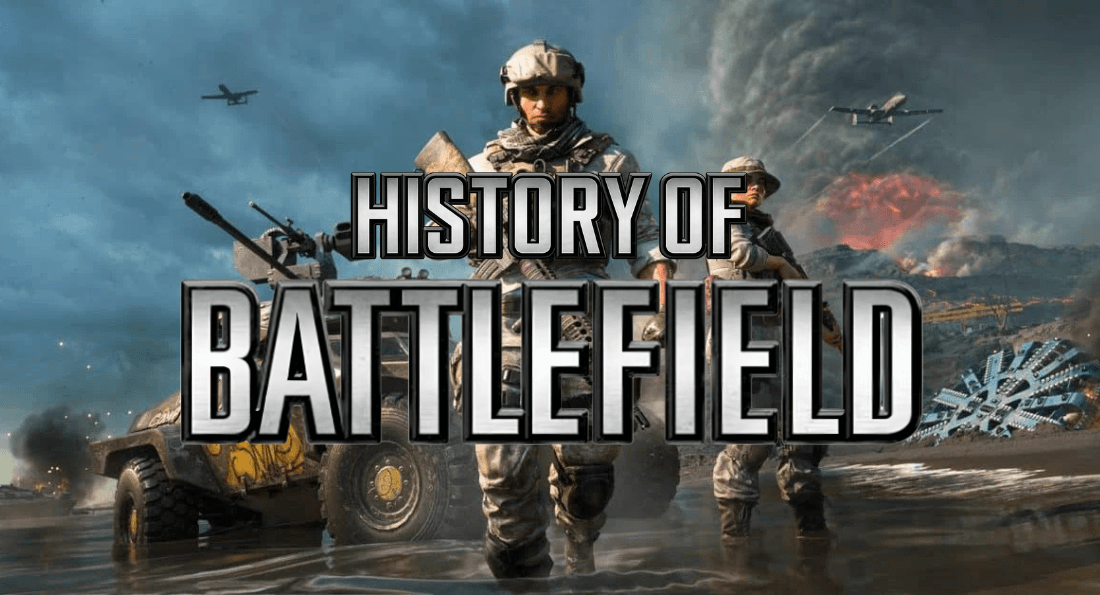
Battlefield is one of the most influential military shooter franchises ever created, known for its large-scale battles, vehicle combat, and realistic warfare atmosphere. Since the release of Battlefield 1942 in 2002, the series has built its identity around massive multiplayer conflicts where infantry, tanks, fighter jets, and environmental destruction all play an important role on the battlefield.
Unlike many traditional first-person shooters that focus on smaller arenas and fast individual action, Battlefield emphasises teamwork, map control, and cinematic moments that emerge naturally during gameplay. Players are encouraged to work together across different combat roles, whether piloting helicopters, supporting allies as a medic, or destroying enemy vehicles with explosives.
Over the years, the franchise evolved through multiple historical settings, modern warfare scenarios, and futuristic conflicts, while continuously pushing technical innovation. Features such as large player counts, destructible environments, and dynamic weather helped Battlefield stand out from other shooters and established the series as one of the biggest names in online multiplayer gaming.
Battlefield has always focused on creating large-scale warfare experiences that feel immersive and unpredictable. While every game introduces new mechanics and settings, several core elements define the franchise and separate it from other military shooters.
Massive multiplayer battles
One of Battlefield’s defining features is its large player counts and expansive maps. Instead of small competitive arenas, matches often involve dozens of players fighting across cities, deserts, forests, and military bases. This creates a more chaotic and cinematic experience where battles constantly evolve.
Vehicle warfare
Vehicles are central to Battlefield gameplay. Tanks, fighter jets, helicopters, armoured vehicles, and boats are not simply background elements - they are essential tools for controlling the battlefield. Mastering vehicles often plays a major role in achieving victory.
Destruction systems
Battlefield became famous for its environmental destruction systems, allowing players to demolish buildings, walls, and cover during combat. This mechanic changes the flow of battles dynamically, forcing players to adapt as the environment around them collapses.
Teamplay and class systems
The franchise strongly encourages cooperation between players. Traditional class systems divide players into specific combat roles such as Assault, Engineer, Support, and Recon. Each class contributes differently to the team, rewarding coordination rather than individual performance alone.
Battlefield 1942
Released in 2002, Battlefield 1942 introduced players to large online World War II battles featuring infantry combat, tanks, aircraft, and naval warfare. At the time, its scale and freedom were revolutionary for multiplayer shooters. The game laid the foundation for the entire franchise and established many gameplay systems still used today.
Battlefield 2
Battlefield 2 moved the series into modern warfare and became one of the most influential online shooters of its era. Squad-based gameplay, commander systems, and improved teamwork mechanics helped define the Battlefield identity. The game also greatly expanded vehicle combat and map design.
Battlefield: Bad Company series
The Bad Company games introduced a more personal and cinematic approach to storytelling while expanding the destruction mechanics through the Frostbite engine. Destructible buildings became a major gameplay feature, allowing players to create new tactical opportunities during combat.
Battlefield 3 and Battlefield 4
Battlefield 3 represented a major technological leap for the franchise with improved graphics, sound design, and large-scale multiplayer maps. Battlefield 4 refined the formula further by adding Levolution events, which introduced dynamic map-changing moments such as collapsing skyscrapers and flooding environments.
Battlefield 1
Instead of focusing on modern warfare again, Battlefield 1 explored World War I, bringing a darker and more emotional atmosphere to the franchise. The game stood out for its immersive presentation, brutal combat, and unique historical setting rarely explored in multiplayer shooters.
Battlefield V
Battlefield V returned to World War II with updated movement systems, improved squad mechanics, and larger multiplayer experiences. The game also introduced Grand Operations, aiming to create more immersive multi-match warfare scenarios.
Battlefield 2042
Battlefield 2042 pushed the series into a near-future setting with larger player counts, massive dynamic maps, and advanced technology. The game introduced Specialists instead of traditional classes and expanded sandbox gameplay through modes like Battlefield Portal, which allowed players to revisit classic Battlefield content from older games.
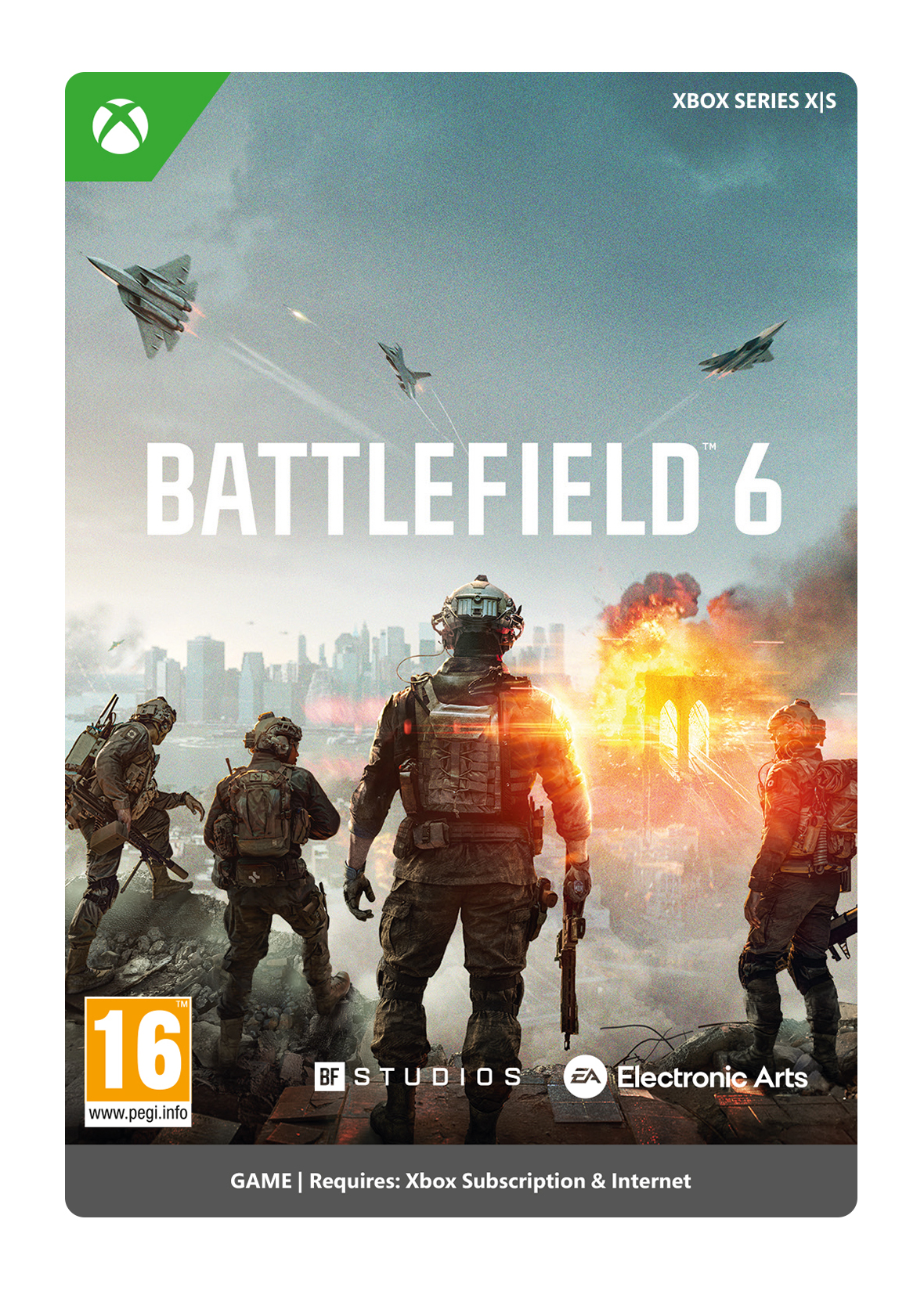
Battlefield 6
Released on 10 October 2025, Battlefield 6 brings the franchise back to modern all-out warfare, with large-scale battles, vehicle combat, squad play, and environmental destruction at the centre of the experience. The game focuses on intense infantry combat, aerial dogfights, tanks, and tactical destruction, while introducing the Kinesthetic Combat System for greater control over movement and combat actions.
Battlefield distinguishes itself through scale, immersion, and unpredictability. While many shooters prioritise fast reflexes and small competitive matches, Battlefield creates moments that feel closer to a war simulation. A single match can involve fighter jets dogfighting above collapsing buildings while tanks advance through destroyed streets and infantry squads fight for objectives below. This combination of vehicles, destruction, teamwork, and dynamic gameplay creates situations that feel unique every time players enter a match.
The franchise is also known for its cinematic presentation. Explosions, sound effects, weather systems, and detailed environments all contribute to Battlefield’s immersive atmosphere, making battles feel larger and more intense than traditional arena shooters.
Early Battlefield era
Bad Company era
Modern warfare era
Historical warfare era
Latest entries
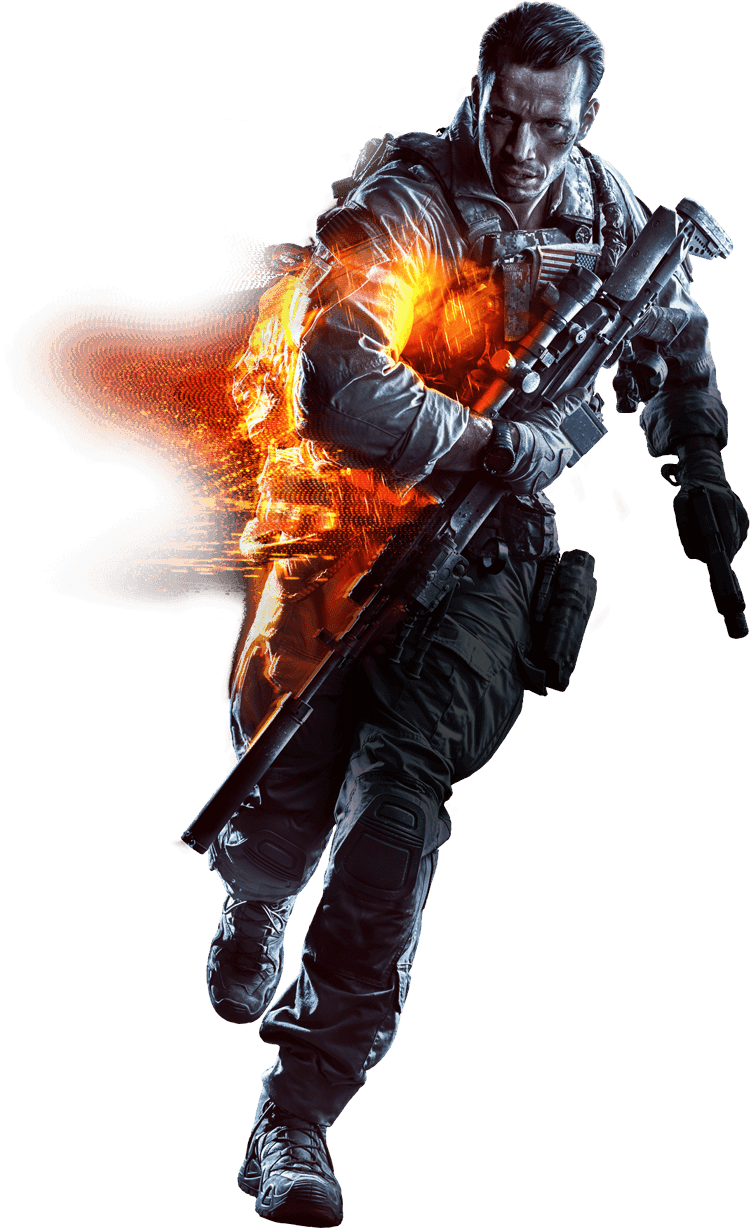
Battlefield continues to evolve as Electronic Arts and DICE work on the next generation of large-scale multiplayer warfare. Future Battlefield games are expected to focus heavily on dynamic environments, improved destruction systems, and even larger online battles powered by modern hardware. Despite changes throughout the years, the core identity of Battlefield remains the same: massive warfare, teamwork, vehicles, and cinematic multiplayer moments that few other shooter franchises can replicate.
Whether you prefer historical warfare, modern military combat, or near-future battles, Battlefield offers a unique multiplayer experience built around large-scale action and teamwork. If you want to jump into the latest Battlefield games, you can find digital Xbox products and gift cards at Gamecardsdirect. We are official suppliers of Xbox and Microsoft digital products, with several secure payment methods available.